Are you curious about fixing treadmills or keeping workout machines working well? Being a fitness equipment technician might sound tricky, especially if you are just starting out. But don’t worry, it’s simpler than you think! This guide will walk you through everything you need to know. We will break it down step-by-step. Let’s get you ready for this exciting field.
Key Takeaways
- Learn what a fitness equipment technician does every day.
- Discover the basic tools and skills needed for this job.
- Understand how to find and fix common equipment problems.
- Explore how to keep machines in top shape through maintenance.
- See why this career is important for gyms and homes.
- Find tips on how to start your path as a technician.
What Does a Fitness Equipment Technician Do
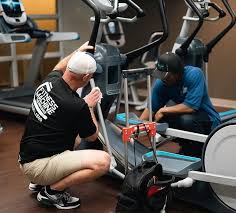
A fitness equipment technician is the person who makes sure treadmills, ellipticals, weight machines, and other exercise gear are in good working order. They perform repairs when machines break down. They also do regular checks to prevent problems from happening. Gym owners and even people with home gyms rely on these technicians. They help keep workouts safe and enjoyable. Without them, equipment could stop working. This would cause frustration for users and lost money for businesses.
Daily Tasks of a Technician
A typical day for a fitness equipment technician involves a mix of scheduled maintenance and unexpected repair calls. They might start by checking a gym’s schedule for planned servicing of machines. This could mean lubricating treadmill belts or checking the tension on weight stacks. Later, they might get a call about a broken elliptical. They then head to the location with their toolkit. They diagnose the issue, find the right parts, and fix the machine. This often requires problem-solving skills. They need to figure out why a part failed.
Tools of the Trade
To do their job well, fitness equipment technicians need a specific set of tools. A good toolkit includes things like screwdrivers, wrenches, and pliers. They also use multimeters to test electrical components. Specialty tools might be needed for specific brands or types of equipment. For example, some treadmill motors require special testers. Technicians often carry a bag or a rolling toolbox with all these items. They also need diagnostic software for some electronic machines. This helps them read error codes.
Essential Skills for Success
Being a fitness equipment technician requires more than just knowing how to use a wrench. Good mechanical aptitude is key. This means a natural ability to understand how things work and how to put them together. Problem-solving skills are also vital. When a machine acts up, a technician must figure out the root cause. Good communication skills are important too. They need to explain the problem and the repair to gym owners or clients. They should also be able to follow instructions and read technical manuals.
Understanding Fitness Equipment Issues
Exercise machines are complex. They have many parts working together. When one part fails, it can stop the whole machine. This section will help you understand what goes wrong and why.
Common Causes of Breakdowns
One of the most frequent reasons for equipment failure is wear and tear. Parts get used a lot. This causes them to become worn out over time. For example, treadmill belts can stretch or tear. Motors can overheat. Electronic consoles might fail due to constant use or power surges. Another common cause is lack of maintenance. If machines are not cleaned or lubricated regularly, they can break down faster. Water damage from sweat is also an issue.
Diagnosing Problems Simply
When a machine breaks, the first step is always diagnosis. This means finding out what is wrong. A technician will listen to the user’s description of the problem. Then, they will examine the machine. They might look for loose parts, listen for strange noises, or check for error codes on the display. For electrical issues, they use tools like a multimeter. This device checks for correct voltage and continuity. Identifying the exact problem quickly saves time and money.
Example: A Sputtering Treadmill Motor
Imagine a treadmill that starts making a loud, sputtering noise and then stops. The user reports it smells like burning. A technician would first disconnect the power to be safe. They might then remove the motor cover. They would check for obvious damage, like frayed wires or burnt smells. They would test the motor with a multimeter. If the motor tests bad, they would order a replacement. They would also check the treadmill belt. A worn belt can strain the motor.
Maintenance and Prevention Strategies
Keeping fitness equipment in good shape is easier than fixing it when it’s broken. Regular care prevents many common problems.
The Importance of Regular Cleaning
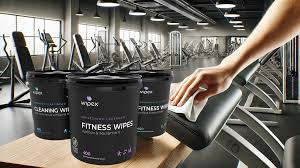
Sweat can damage machines. It contains salt and other substances that corrode metal and electronics. Cleaning equipment after each use is essential. This means wiping down surfaces. It also means cleaning around moving parts. Technicians often perform deep cleaning as part of their maintenance checks. They remove dust and debris. This buildup can cause parts to overheat. A clean machine works better and lasts longer.
Lubrication Schedules Matter
Many machines, like treadmills and ellipticals, have parts that need regular lubrication. Treadmill belts, for instance, need specific treadmill oil applied underneath. This reduces friction between the belt and the deck. Without enough lubrication, the belt can wear out quickly. The motor can also overheat trying to move a dry belt. Technicians follow a schedule. This ensures that each machine gets lubricated at the right intervals.
Preventative Checks for Safety
Preventative maintenance isn’t just about keeping machines running. It’s also about user safety. A loose bolt on a weight machine could fall and cause injury. A frayed power cord on a cardio machine is a fire hazard. Technicians perform visual inspections. They check for loose screws, worn cables, or damaged upholstery. They test emergency stop buttons on treadmills. These checks help prevent accidents. They ensure the gym is a safe place to work out.
Case Study: A Gym’s Maintenance Program
A large gym noticed a sharp increase in equipment downtime. Repairs were costing a lot. They decided to implement a strict preventative maintenance program. They hired a dedicated technician. This technician followed a detailed checklist for each type of machine. They cleaned, lubricated, and inspected every piece of equipment monthly. Within six months, equipment failures dropped by 40%. Repair costs decreased significantly. This shows how proactive maintenance pays off.
Career Path for a Fitness Equipment Technician
Becoming a fitness equipment technician can be a rewarding career. It combines hands-on work with a focus on health and wellness.
Getting Started in the Field
To start, you usually need a high school diploma or GED. Some technical training or vocational school programs can be very helpful. These programs teach basic mechanics, electrical principles, and sometimes even specific equipment repair. Many manufacturers offer training courses for their specific brands. Hands-on experience is also crucial. You might start as an apprentice or helper to an experienced technician. This allows you to learn by doing.
Skills Development and Learning
The field of fitness equipment is always changing. New machines and technologies appear regularly. This means technicians must commit to lifelong learning. They need to stay updated on new models and repair techniques. Reading service manuals is a key part of this. Attending workshops or online courses helps too. Some technicians specialize in certain types of equipment, like treadmills or strength machines. Others become generalists.
Job Outlook and Opportunities
The demand for fitness equipment technicians is growing. More people are buying home gyms. Gyms and fitness centers are also expanding. This means more machines need servicing. Job opportunities exist with equipment manufacturers, gyms, repair shops, and as independent contractors. Some technicians even work for hotels or corporate fitness centers. The career offers stability and the chance to work in a dynamic industry.
Sample Scenario: Repairing a Broken Elliptical
A gym calls because their popular elliptical is making a loud clunking noise. The technician arrives and first asks the gym staff for details. They observe someone using the machine to pinpoint the sound. It seems to come from the rear. The technician then carefully inspects the rear flywheel and its casing. They find a loose bolt on the flywheel. After tightening it, they ask a staff member to test it. The noise is gone. The entire repair took less than an hour.
Common Myths Debunked
Let’s clear up some common misunderstandings about fitness equipment repair.
Myth 1: Fitness Equipment Repair Is Only For Experts
This is not true. While complex repairs require deep knowledge, many common issues can be fixed with basic mechanical skills and diagnostic tools. Entry-level positions often provide training.
A willingness to learn is more important than having prior expert knowledge.
Myth 2: All Machines Break Down Equally
Not all machines are created equal. Some brands are known for their durability. Others might have more common failure points due to design or manufacturing.
Cardio machines like treadmills often see more wear than simpler strength machines. Proper maintenance also greatly impacts how often machines break.
Myth 3: You Need Expensive, Specialized Tools For Everything
While some specialized tools are necessary for specific tasks, a good basic toolkit covers most repairs. Many common problems can be solved with standard wrenches, screwdrivers, and pliers. Diagnostic software and multimeters are important, but they are investments, not an immediate barrier to entry.
Myth 4: Once Fixed, It’s Good Forever
No machine lasts forever without continued care. Even after a repair, ongoing maintenance is crucial. Parts wear down with use.
Regular cleaning, lubrication, and inspections are vital to prevent future problems and extend the life of the equipment.
Frequently Asked Questions
Question: How much do fitness equipment technicians typically earn
Answer: Earnings can vary based on experience, location, and whether you work for a company or as an independent contractor. Entry-level positions might start around $30,000 to $40,000 per year. Experienced technicians can earn $50,000 or more annually.
Question: Do I need a certification to be a fitness equipment technician
Answer: While certifications are not always required, they can make you a more attractive candidate. Some manufacturers offer specific certifications for their equipment. Vocational schools may also offer relevant programs.
Question: What is the most common problem fitness equipment technicians fix
Answer: On treadmills, worn-out belts and decks are very common. For other machines, electrical issues, loose parts, or worn-out drive belts and pulleys are frequent repairs.
Question: How long does it take to become proficient as a fitness equipment technician
Answer: Proficiency takes time and practice. You can learn the basics relatively quickly, but becoming an expert who can diagnose and fix any issue might take several years of hands-on experience.
Question: Can I fix my own home gym equipment
Answer: For simple issues like a loose bolt or a cleaning task, yes. However, for complex electrical problems or mechanical failures, it’s often best to call a professional fitness equipment technician to ensure safety and proper repair.
Wrap Up
Becoming a fitness equipment technician involves learning about mechanics, electronics, and preventative care. You will diagnose and fix issues on machines like treadmills and ellipticals. Regular maintenance is key to keeping equipment running smoothly and safely. With practice, you can master these skills. This career offers hands-on work and a chance to keep people’s workouts going strong.