When your exercise gear breaks, it can be frustrating. Many people don’t know where to start with fitness equipment repair services. It might seem tricky at first, but it’s easier than you think.
We’ll walk you through everything step by step. This guide will show you how to get your equipment working like new again.
Key Takeaways
- You will learn common reasons fitness equipment needs repair.
- Discover what to look for when choosing a repair service.
- Understand the costs involved in fixing your gear.
- Find out how to perform basic maintenance to prevent issues.
- Learn when it’s better to replace rather than repair.
Why Fitness Equipment Needs Repair
Fitness machines see a lot of use. Daily workouts put wear and tear on every part. From the motors in treadmills to the cables on weight machines, things can eventually falter.
This is a normal part of owning equipment. It means your gear is working hard, but it also means repairs will eventually be needed. Ignoring small problems can lead to bigger, more costly issues down the line.
Regular checks help catch these early.
Common Issues and Causes
Treadmills are popular, and they often have belt problems. The belt can stretch, fray, or misalign, making it hard to run smoothly. Motors can also overheat or fail.
For strength training machines like multi-gyms, cables can snap or wear out. Pulleys might squeak or become stiff. Even simple exercise bikes can have issues with pedal cranks, seat adjustments, or resistance mechanisms.
These problems happen due to consistent friction, weight stress, and the sheer number of moving parts.
Treadmill Troubles
The treadmill belt is a common culprit for repair needs. Over time, it loses its tension and can start to slip. This is often due to a lack of lubrication or simply wear from thousands of steps.
If the belt is torn or has significant fraying, it needs immediate replacement. A malfunctioning motor is more serious. Signs include strange noises, burning smells, or the motor simply not engaging.
This requires a professional diagnosis and repair or replacement of the motor unit.
Weight Machine Wear
Weight machines, like cable cross machines or lat pulldowns, rely on smooth-moving parts. Cables, essential for lifting weights, can become frayed. This not only affects performance but is also a safety hazard.
Pulleys can get jammed or develop rough spots, leading to jerky movements. Bearings in the various joints can seize up, making movements feel stiff. Proper lubrication and regular inspection of cables for nicks or frays can prevent many of these issues.
Other Equipment Problems
Stationary bikes often experience resistance issues. The magnetic or friction-based resistance system can fail. This means you might not get the challenging workout you expect.
Exercise benches and racks can develop loose bolts or cracked upholstery. These might seem minor but can affect stability and comfort. Even yoga mats can wear out over time, losing their grip and cushioning.
The Importance of Regular Maintenance
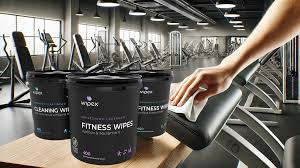
Just like a car, fitness equipment needs regular care to run well. A simple maintenance schedule can save you money and hassle. This includes cleaning the equipment after each use.
It also means checking for loose bolts or parts. Lubricating moving components as recommended by the manufacturer is vital. Many issues arise from simple neglect.
Keeping up with these tasks can greatly extend the life of your machines.
Maintenance Tips for Common Machines
For treadmills, always check the belt alignment and tension. Wipe down the deck and belt regularly. Lubricate the deck as per the manual, usually every few months.
For weight machines, inspect cables for wear. Ensure all weights and pulleys move freely. For cardio machines like ellipticals and bikes, check that all bolts are tight and that the pedals or hand grips are secure.
Finding the Right Fitness Equipment Repair Services
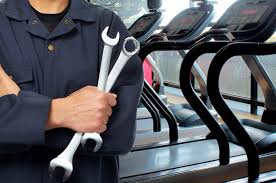
When something goes wrong, finding reliable help is key. You want technicians who know your specific equipment. A good repair service will be honest and efficient.
They will explain the problem clearly and give you an accurate estimate before starting any work. It’s wise to look for services that specialize in fitness gear. This ensures they have the right tools and knowledge.
What to Look For in a Service Provider
Start by checking online reviews for local repair shops. Look for companies that offer warranties on their repairs. Ask about their experience with your specific brand and model of equipment.
A good service will also provide a clear quote for parts and labor upfront. Avoid services that are vague about pricing or the repair process. Transparency is crucial when trusting someone with your valuable equipment.
Specialization Matters
Some repair companies focus only on fitness equipment. These are often the best choice. They understand the unique mechanics of treadmills, ellipticals, and weight machines.
They also likely have direct relationships with manufacturers for parts. A general appliance repair person might not have the specific expertise. This specialization ensures they can quickly diagnose and fix even complex issues.
Checking Credentials and Reviews
Always check customer reviews on platforms like Google, Yelp, or specialized fitness forums. Look for consistent positive feedback regarding honesty, skill, and customer service. You can also ask your gym or fitness center for recommendations.
They often use professional repair services themselves. Verifying certifications or affiliations can also give you peace of mind.
The Repair Process Explained
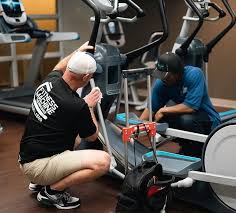
Once you choose a service, the process usually begins with an assessment. The technician will inspect your equipment to find the exact problem. They will then provide a detailed estimate.
This will include the cost of parts and labor. If you agree, they will proceed with the repair. Some repairs can be done on-site, while others might require taking the machine to their workshop.
After the repair, they should test the equipment thoroughly.
On-Site Versus Workshop Repairs
Many common repairs, like treadmill belt adjustments or motor issues, can be done at your home or gym. This is convenient as it saves you the trouble of transporting heavy equipment. However, if a repair involves extensive disassembly or specialized machinery, the service might take it to their shop.
This is usually for more complex electrical or structural problems. Always ask for clarification on where the repair will take place.
Understanding Estimates and Quotes
A good repair estimate will break down costs clearly. You should see charges for any diagnostic fees, parts needed, and the labor involved. Be wary of estimates that seem too good to be true or lack detail.
It’s also wise to ask if the estimate includes taxes or any potential hidden fees. Comparing quotes from a couple of different reputable services is a smart move.
Cost Considerations for Fitness Equipment Repair
The cost of repairs varies greatly. It depends on the type of equipment, the brand, and the complexity of the problem. Simple fixes like adjusting a treadmill belt are less expensive than replacing a treadmill motor.
Weight machine cable replacements are also relatively affordable. More complex electrical issues or structural damage can increase the price significantly. It’s good to have a budget in mind before you start.
Factors Influencing Repair Costs
The age and brand of your equipment play a role. Newer, high-end machines might have more specialized parts that cost more. Older or generic models might use more common parts, which can be cheaper.
The hourly labor rate of the repair technician is another major factor. Geographic location can also influence prices, as costs can be higher in some areas than others. The availability of parts can also impact cost and time.
Average Cost Examples
For a treadmill belt replacement, you might expect to pay anywhere from $150 to $350. This includes parts and labor. Replacing a treadmill motor could cost $300 to $700 or more.
For a weight machine cable replacement, the cost is typically $75 to $200. Fixing a stationary bike’s resistance unit might fall in the $100 to $250 range. These are general estimates and can vary.
When Replacement Might Be Cheaper
Sometimes, the cost of repairing a very old or severely damaged machine can exceed its current value or the cost of a new, comparable item. If a machine has multiple major issues, like a failed motor and a damaged frame, repairs can become prohibitively expensive. It’s wise to get an estimate and then compare it to the price of a new machine.
Consider the warranty offered on new equipment as well.
DIY vs. Professional Repair
For very minor issues, like tightening a loose bolt or cleaning and lubricating a mechanism, you might be able to do it yourself. However, most repairs, especially those involving electrical components or structural integrity, are best left to professionals. Attempting complex DIY repairs without the proper knowledge and tools can lead to further damage, making professional repair even more costly or impossible.
Safety should always be your top priority.
Simple DIY Fixes
Basic cleaning and lubrication are always good DIY tasks. For treadmills, checking belt alignment is straightforward. You can often find video tutorials online for common adjustments.
For weight machines, ensuring pins are in place and that seats are secure is simple. Always consult your owner’s manual for specific maintenance procedures.
When to Call the Experts
If your equipment is making strange noises, smells like burning, or has visible damage to electrical wires, call a professional immediately. If the repair involves complex disassembly or requires special tools, it’s safer to hire an expert. Problems with motors, control boards, or safety features are definitely in the expert’s domain.
Common Myths Debunked
Myth 1: Fitness equipment is too complex to repair
This is not true. While fitness equipment has many parts, most common issues are due to wear and tear on specific components. Trained technicians understand these systems well.
Many repairs are straightforward fixes that skilled professionals can handle efficiently. The complexity is manageable with the right expertise.
Myth 2: Repair is always more expensive than buying new
This is often false. The cost of repairing a single component, like a treadmill belt or a weight machine cable, is typically much lower than purchasing a brand-new machine. It only becomes more expensive when the equipment is severely damaged or has multiple significant issues, making replacement a more economical choice.
Myth 3: Only specialized brands need specialized repair
While some high-end brands might use proprietary parts, the fundamental mechanics of most fitness equipment are similar. A good fitness equipment repair service will have experience with a wide range of brands and types of machines. Their expertise lies in the general principles of how these machines operate, not just specific brand names.
Myth 4: DIY repairs are always faster
For simple tasks like cleaning, DIY can be fast. However, if you’re unsure of the process, troubleshooting can take a very long time. You might also accidentally cause more damage.
Professional technicians have experience and the right tools, allowing them to often complete repairs much faster and more accurately than an amateur.
Frequently Asked Questions
Question: How often should I service my fitness equipment
Answer: It’s a good idea to do basic checks and cleaning weekly. A more thorough inspection and lubrication should happen every 3-6 months, depending on usage and manufacturer recommendations.
Question: What if my equipment is still under warranty
Answer: If your equipment is under warranty, contact the manufacturer or the retailer you purchased it from first. They will guide you through the warranty repair process, which is usually free of charge.
Question: Can I get parts for older fitness equipment
Answer: Sometimes, yes. Specialized repair services often have access to a wide range of parts, even for older models. However, for very old or discontinued equipment, parts may become scarce.
Question: How long does a typical repair take
Answer: A simple repair, like a treadmill belt adjustment, might take an hour or two on-site. More complex issues requiring parts or workshop visits can take a few days to a week.
Question: What should I do before a repair technician arrives
Answer: Clear the area around the equipment so the technician has easy access. If possible, have your equipment’s model number and serial number ready.
Summary
Getting your exercise machines fixed is simple. You learned why gear breaks and how to find good repair services. We covered costs and when to fix versus replace.
Keeping your equipment in shape means fewer worries and more productive workouts. Take these tips to keep your fitness gear running smoothly.