Figuring out where to get your fitness gear can feel like a puzzle, especially if you’re just starting out. You might wonder if there are many choices or if it’s hard to find the right people. Don’t worry!
We’ll make this super easy. Get ready for a clear path forward. We’ll cover everything you need to know about fitness equipment distributors.
Key Takeaways
- You will learn what fitness equipment distributors do.
- Discover the different types of distributors available.
- Understand the benefits of working with a good distributor.
- Find out how to pick the best distributor for your needs.
- Learn how to build a strong relationship with your chosen distributor.
What Are Fitness Equipment Distributors
Fitness equipment distributors are the companies that act as a bridge between the manufacturers of exercise machines and the businesses or individuals who buy them in bulk. Think of them as the wholesale suppliers for gyms, hotels, sports clubs, and even online retailers. They buy large quantities of treadmills, weights, yoga mats, and all sorts of other gear directly from the factories.
Then, they sell these items to others who will use or resell them.
These distributors are vital to the fitness industry. They ensure that gyms can get the equipment they need to operate and that consumers can eventually buy these items through various channels. Without them, getting fitness equipment would be much harder and more expensive for many businesses.
They manage inventory, logistics, and often provide support for the products they sell.
The Role of Distributors in the Supply Chain
Distributors play a critical role in the fitness equipment supply chain. They are the link between the people who make the machines and the people who sell them to you or your gym. They buy in big amounts from companies like Life Fitness or Bowflex.
Then, they store these items in their warehouses.
After that, they sell these items to places like your local gym, a big sports store, or even online shops. This process makes it easier for everyone to get the equipment they need without having to deal directly with the factory. It’s like a middleman who makes things smoother.
Distributors also often handle important tasks like shipping, customs, and even some customer service. This means the gym owner doesn’t have to worry about these details. They can focus on running their business and making sure their members are happy.
Why Businesses Use Distributors
Businesses like gyms or fitness studios often choose to work with distributors for several good reasons. One big reason is cost savings. Distributors buy equipment in huge quantities, which usually means they get a lower price from the manufacturer.
They then pass some of these savings on to their customers, making it cheaper for gyms to buy what they need.
Another benefit is access to a wide range of products. Distributors often carry equipment from many different brands. This means a gym owner can get most of their needs met by one supplier, saving them time and effort.
They don’t have to call up ten different companies for different pieces of equipment.
Distributors also offer convenience. They handle the shipping and delivery, so the gym owner doesn’t have to figure out how to get a large treadmill from a factory to their location. This saves a lot of hassle and potential problems.
Bulk Purchasing Power
When a distributor buys equipment, they buy it in massive quantities. This is known as bulk purchasing. Manufacturers offer special, lower prices when large orders are placed.
The distributor takes advantage of this to get a better deal.
This lower cost per item is a major advantage. It allows them to sell the equipment at a price that is still profitable for them, but also affordable for their clients. Without this bulk buying, the price of fitness equipment would be much higher for gyms and studios.
Product Variety and Selection
Fitness equipment distributors are like a one-stop shop for many fitness businesses. They don’t just stock one brand or one type of machine. Instead, they often have a wide variety of products from different manufacturers.
This means a gym owner looking to equip a new facility can find treadmills, ellipticals, weight machines, free weights, and even smaller accessories like resistance bands all from a single distributor. This simplifies the purchasing process significantly.
Logistics and Delivery Services
Getting large, heavy fitness equipment from a factory to a gym’s doorstep is a big job. This is where distributors shine. They have the systems in place to manage shipping, warehousing, and delivery.
They work with trucking companies and logistics experts to ensure the equipment arrives safely and on time. This service is a huge relief for business owners who might not have the expertise or resources to handle such complex transportation needs themselves.
Types of Fitness Equipment Distributors
Not all fitness equipment distributors are the same. They can vary based on who they serve and the types of products they offer. Some distributors focus on serving large commercial gyms, while others might cater to smaller studios or even home fitness enthusiasts looking to buy in smaller quantities.
Understanding these differences can help you find the right partner.
Some distributors specialize in certain types of equipment, like cardiovascular machines or strength training gear. Others offer a full range of products. Knowing what kind of business you run and what you need will help you narrow down your search.
Commercial Fitness Distributors
These are the main players in the industry, focusing on businesses that operate fitness facilities. This includes big gyms, hotels with fitness centers, corporate wellness programs, and sports teams. They typically offer a wide selection of high-quality, durable equipment designed for heavy, daily use.
Commercial distributors understand the needs of these large operations. They can often provide services like installation, maintenance plans, and even help with gym layout design. They deal with brands known for their reliability and performance in a demanding environment.
For instance, a distributor working with large gym chains needs to be able to supply hundreds of treadmills or weight machines at once. They also need to ensure these machines are serviced and repaired quickly to minimize downtime for the gym.
Residential Fitness Distributors
These distributors focus more on consumers who want to set up home gyms. They might sell directly to individuals or through online retail channels. While they might not offer the absolute top-tier, heavy-duty commercial equipment, they provide excellent options for home use.
The equipment here is designed for personal use, which is typically less intense than commercial use. Residential distributors often emphasize convenience, affordability, and ease of setup for the home user. They might also offer financing options or smaller delivery services.
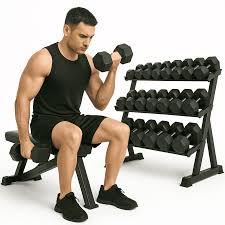
Think about someone buying a treadmill for their basement or a set of dumbbells for their garage. These are the types of customers residential distributors serve. They focus on making fitness accessible for individuals in their own homes.
Specialty Equipment Distributors
Some distributors choose to focus on specific niches within the fitness world. This could mean they specialize in products for physical therapy and rehabilitation, or perhaps they deal only with high-end, performance-focused equipment for elite athletes.
Other specialties might include yoga and Pilates equipment, martial arts gear, or even outdoor fitness solutions. These distributors have deep knowledge of their specific product lines and can offer expert advice to customers in their niche.
For example, a distributor focused on rehabilitation equipment would work closely with physical therapists and sports medicine clinics. They would offer specialized machines that help patients recover from injuries, providing detailed technical specifications and support for these precise tools.
Benefits of Partnering with Distributors
Working with a fitness equipment distributor offers many advantages, especially for businesses looking to grow or establish themselves. These benefits go beyond just getting the machines; they involve support, cost efficiency, and a smoother operational flow. Having a reliable distributor can significantly impact a business’s success.
These partnerships can lead to better pricing, access to the latest products, and expert advice. They also help manage the complexities of sourcing and delivering equipment, allowing businesses to focus on their core operations.
Cost-Effectiveness and Savings
One of the most significant benefits of working with a fitness equipment distributor is the potential for cost savings. Because distributors buy in large volumes, they often negotiate better prices from manufacturers. They can then pass these savings on to their clients.
This means businesses can acquire more equipment for their budget or get higher-quality machines at a more affordable price. These savings can be crucial for startups or for gyms looking to expand without overspending.
For instance, a new gym owner might need 20 treadmills. Instead of buying them one by one at retail price, they can contact a distributor and get a bulk discount. This could save them thousands of dollars, which can be reinvested elsewhere in the business.
Access to Latest Products and Technology
Fitness equipment technology is always advancing. Distributors are often the first to know about new models and innovative features coming from manufacturers. They maintain relationships with various brands, giving them insight into upcoming trends and products.
By working with a distributor, businesses can ensure they are offering the most up-to-date and sought-after equipment to their clients. This can be a competitive advantage, attracting customers who want to train with the latest gear.
A distributor might showcase new smart treadmills with integrated screens and virtual training programs as soon as they are released. This allows a gym to upgrade its facilities and offer a more engaging experience to its members.
Expertise and Support
Fitness equipment distributors aren’t just salespeople; they are often product experts. They understand the technical specifications, capabilities, and intended uses of the equipment they sell. This expertise is invaluable for businesses making significant investments.
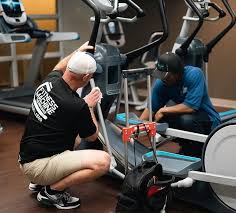
They can offer advice on which machines are best suited for specific types of training or clienteles. Beyond sales, many distributors provide after-sales support, including installation, maintenance, and repair services. This ensures that the equipment remains in good working order, minimizing disruptions.
Imagine a gym owner is unsure whether to buy a functional trainer or a cable crossover machine. An experienced distributor can explain the differences, demonstrate how each can be used, and recommend the one that best fits the gym’s target audience and space.
Product Consultation
Distributors can offer valuable consultation services. They know the pros and cons of different brands and models. They can help you match the equipment to your specific needs and budget.
This advice saves you time researching and helps you avoid costly mistakes. They can guide you through selecting the right weight machines, cardio equipment, and accessories.
Technical Service and Maintenance
Many distributors provide ongoing support for the equipment they sell. This can include warranty services, routine maintenance, and emergency repairs. Keeping your equipment in top shape is essential for customer satisfaction and safety.
Reliable service ensures that machines are not out of order for long periods. This minimizes lost revenue and keeps your facility running smoothly.
Warranty and Repair Services
When you buy from a distributor, you often benefit from their established relationships with manufacturers for warranty claims and repairs. They can streamline the process of getting a faulty part replaced or a machine fixed.
This means less paperwork and faster turnaround times for you. It’s one less thing to worry about when managing your fitness business.
Choosing the Right Fitness Equipment Distributors
Selecting the right fitness equipment distributors is a critical step for any business. It’s not just about the price; it’s about finding a partner who understands your needs and can provide reliable service. A good distributor can be a long-term asset, while a poor choice can lead to frustration and lost revenue.
Consider factors like product range, customer service, pricing, and their reputation in the industry. Taking the time to research and compare different distributors will pay off in the long run.
Researching Potential Distributors
Before you contact any distributor, do your homework. Start by looking online for companies that specialize in the type of equipment you need. Check their websites to see what brands they carry and what services they offer.
Look for reviews or testimonials from other businesses that have worked with them. Industry trade shows and publications can also be good places to discover reputable distributors. The more information you gather, the better prepared you will be to make an informed decision.
Online Search and Directories
Use search engines with terms like “commercial fitness equipment suppliers” or “gym equipment wholesale.” Many distributors have extensive websites detailing their product catalogs, pricing, and contact information.
Industry-specific online directories also list various suppliers, often categorized by product type or region. These can be excellent starting points for discovery.
Industry Trade Shows and Events
Attending fitness industry trade shows is a fantastic way to meet distributors face-to-face. You can see equipment firsthand, talk to representatives, and learn about new products. These events offer a chance to build relationships and get a feel for the company culture.
Expos like IHRSA or FIBO showcase a wide array of manufacturers and distributors, making them valuable for networking and discovery.
Evaluating Distributor Services
Once you have a shortlist of potential distributors, it’s time to evaluate them more closely. Don’t just look at their product list. Consider the quality of their customer service, their delivery options, and their after-sales support.
Ask questions about their return policy, warranty procedures, and how they handle service requests. A distributor that is responsive and helpful during the inquiry phase is likely to be a good partner long-term.
Customer Service Responsiveness
How quickly do they respond to your emails or phone calls? Are their sales representatives knowledgeable and helpful, or do they seem uninterested? Good customer service is key.
A responsive distributor shows they value your business. This is important when you need quick answers or assistance with orders or issues.
Delivery and Installation Options
Find out what their delivery process is like. Do they offer white-glove delivery, where they bring the equipment into your facility and set it up? Or is it curbside delivery?
Clarify any associated costs and timelines for delivery and installation. Ensure their logistics can meet your operational needs.
Return and Warranty Policies
Understand their policies regarding returns and warranties before you commit to a purchase. What is the process if you receive damaged goods or if a piece of equipment malfunctions shortly after delivery?
Clear and fair policies provide peace of mind and protect your investment.
Comparing Pricing and Contracts
Pricing is, of course, a significant factor. Always get detailed quotes from multiple distributors. Be sure to compare not just the price per item but also any additional fees for shipping, handling, or installation.
Read any contracts carefully before signing. Pay attention to payment terms, minimum order quantities, and any exclusivity clauses. Understanding the fine print can prevent future disputes.
Requesting Detailed Quotes
Ask for written quotes that clearly itemize all costs. This includes the price of the equipment, shipping fees, taxes, and any assembly charges.
Comparing these detailed quotes side-by-side will help you see the true cost of the equipment from each supplier. Don’t be afraid to negotiate, especially if you are placing a large order.
Understanding Contract Terms
Before signing any agreement, review the contract thoroughly. Look for clauses related to payment schedules, delivery timelines, cancellation policies, and dispute resolution.
If something is unclear, ask the distributor for clarification or seek legal advice. A well-understood contract protects both parties.
Building a Relationship with Distributors
Once you’ve chosen a fitness equipment distributor, the relationship doesn’t end with the initial purchase. Building a strong, ongoing partnership can lead to better service, exclusive deals, and valuable support over time. Think of them as a strategic ally in your business.
Maintaining open communication, paying on time, and providing feedback are all important aspects of a healthy distributor relationship. This collaborative approach benefits both sides and contributes to long-term success.
Communication and Feedback
Open and honest communication is the foundation of any strong relationship. Keep your distributor informed about your business needs, any upcoming large orders, or changes in your operational plans. This helps them serve you better.
Also, don’t hesitate to provide feedback. Let them know what you appreciate and where they could improve. Constructive criticism, delivered respectfully, can help them refine their services, which ultimately benefits you.
Regular Check-ins
Schedule regular check-ins, whether it’s a quarterly call or an annual meeting. This ensures you stay connected and that your distributor is aware of your evolving needs.
These meetings are also a good opportunity to discuss potential new equipment or upcoming promotions.
Providing Constructive Criticism
If something isn’t working perfectly, speak up. Instead of just being unhappy, offer specific, actionable feedback. For example, “The delivery took longer than expected last time,” or “I found the paperwork for the last order a bit confusing.”
This helps the distributor identify areas for improvement and demonstrate their commitment to your satisfaction.
Loyalty and Repeat Business
Showing loyalty by placing repeat orders and consolidating your purchasing with one or two trusted distributors can lead to significant benefits. Distributors value clients who provide consistent business.
This loyalty can translate into preferential treatment, better pricing, early access to new products, or even exclusive deals not available to one-time buyers. They may be more willing to go the extra mile for a loyal customer.
Benefits of Consolidation
When you buy all or most of your equipment from a single distributor, it simplifies your procurement process. You have one main point of contact, one set of invoices, and a clearer overview of your spending.
This consolidation also gives you more leverage when negotiating prices or terms, as you represent a larger portion of their business.
Negotiating Better Terms
As a loyal, repeat customer, you are in a stronger position to negotiate better terms. This could include more favorable payment plans, discounts on larger orders, or priority service.
Distributors want to retain good customers, so they are often willing to offer incentives to keep your business.
Common Myths Debunked
Myth 1: All distributors offer the same prices.
This is not true. While distributors aim for competitive pricing, their costs can vary based on their purchasing power, overhead, and relationships with manufacturers. Some distributors may have exclusive agreements that affect their pricing.
Always get quotes from multiple sources to compare.
Myth 2: Distributors only sell to large corporations.
While many fitness equipment distributors work with large commercial clients, a significant number also cater to smaller businesses, studios, and even individual home gym enthusiasts. The rise of e-commerce has made many distributors more accessible to a wider range of customers.
Myth 3: Buying directly from the manufacturer is always cheaper.
In many cases, buying directly from a manufacturer can be more expensive for smaller orders. Manufacturers often have high minimum order requirements and may not offer the same level of customer service or logistical support that distributors provide. Distributors leverage bulk purchasing to offer competitive pricing and added value.
Myth 4: Once you buy equipment, the distributor’s job is done.
A good fitness equipment distributor sees the sale as the beginning of a relationship. They often provide after-sales support, including maintenance, repairs, and warranty services. This ongoing support is a crucial part of their value proposition.
Frequently Asked Questions
Question: What is the main role of a fitness equipment distributor?
Answer: A fitness equipment distributor acts as a wholesaler, buying fitness equipment in bulk from manufacturers and selling it to businesses like gyms, studios, and retailers.
Question: Can small gyms work with commercial fitness distributors?
Answer: Yes, many commercial distributors are happy to work with small gyms. They often offer flexible order sizes and can help businesses scale their equipment needs.
Question: How do I find a reliable fitness equipment distributor near me?
Answer: You can start with online searches, industry directories, or ask for recommendations from other fitness professionals. Trade shows are also a great place to find them.
Question: Are fitness equipment distributors more expensive than buying directly from a factory?
Answer: Not necessarily. Distributors often get better bulk pricing from manufacturers and can pass those savings on. They also provide services that buying direct might not, like delivery and support.
Question: What should I look for in a good fitness equipment distributor?
Answer: Look for good customer service, a wide product selection, competitive pricing, reliable delivery, and strong after-sales support like maintenance and warranty services.
Final Thoughts
Finding the right fitness equipment distributors is easier than you might think. By knowing the types of distributors available and what to look for, you can secure good deals and reliable support. Focus on clear communication and build strong relationships.
This will help your business thrive with quality equipment.