Thinking about working with fitness equipment can feel a bit confusing, especially when you’re just starting. There are many different types of jobs available, and it’s not always clear where to begin. But don’t worry!
We’re here to make it super simple and show you exactly how to find your way. Let’s break down what you need to know about fitness equipment jobs so you can feel confident about your next steps. We’ll cover everything you need to get started.
Key Takeaways
- You will learn about the different types of jobs available in fitness equipment.
- Discover the skills and qualifications often needed for these roles.
- Understand how to find and apply for fitness equipment job openings.
- Learn about career growth opportunities within the fitness equipment industry.
- Get tips on making your application stand out to employers.
Exploring Fitness Equipment Jobs
The fitness equipment industry is a dynamic and growing field. It offers a wide range of career paths for people who love fitness, technology, and helping others. From designing new machines to keeping existing ones running smoothly, there’s a spot for many different talents.
This section explores the variety of roles available, giving you a clear picture of what’s out there.
Manufacturing and Design Roles
In this area, you get to be at the forefront of innovation. Professionals in manufacturing and design are responsible for creating the next generation of fitness machines. This involves a lot of creativity and technical skill.
They think about how a machine will work, how it will feel to use, and how to make it safe and durable.
- Product Development: This involves brainstorming new ideas for fitness equipment. Think about features that make workouts more effective or enjoyable. It requires understanding user needs and market trends.
- Engineering: Mechanical and electrical engineers are vital. They turn design concepts into reality, ensuring machines are functional and safe. They solve technical problems and oversee the creation process.
- Quality Control: Ensuring every piece of equipment meets high standards is key. Quality control specialists test machines for safety, durability, and performance before they reach consumers or gyms.
Sales and Marketing Positions
These jobs focus on connecting fitness equipment with people who need it. Sales professionals help customers choose the right equipment for their homes or businesses. Marketing experts create campaigns to let people know about new products and their benefits.
- Sales Representatives: They work directly with customers, understanding their fitness goals and recommending suitable equipment. This often involves product demonstrations and closing deals.
- Account Managers: These roles build relationships with gyms, hotels, and corporate clients. They ensure these businesses are satisfied with their equipment and explore opportunities for upgrades or additional purchases.
- Marketing Specialists: They develop strategies to promote fitness equipment. This includes creating advertising, managing social media, and organizing events to reach a wider audience.
Technical Support and Service
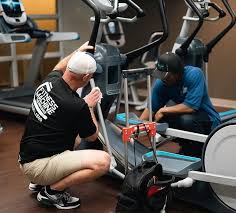
When equipment needs fixing or a user has a question, these professionals step in. Technical support staff provide help over the phone or online. Service technicians travel to locations to repair machines, ensuring they work as intended.
- Customer Support: Answering questions about how to use equipment or troubleshoot minor issues. Good communication skills are essential here.
- Field Service Technicians: These individuals are hands-on experts. They diagnose and fix problems with fitness machines, often requiring travel and mechanical aptitude.
- Repair Specialists: They work in repair centers, taking apart and rebuilding equipment. This role demands strong mechanical knowledge and problem-solving skills.
Retail and Management Opportunities
Many people interact with fitness equipment through retail stores or gyms. These jobs involve managing inventory, assisting customers, and overseeing daily operations. Store managers ensure a positive shopping experience and lead sales teams.
- Store Managers: They oversee the operations of a fitness equipment retail store. This includes staff management, sales targets, and customer service.
- Sales Associates: They work on the sales floor, helping customers find the equipment that fits their needs and budget.
- Inventory Management: Ensuring that the right amount of equipment is in stock and organized. This role is crucial for smooth retail operations.
Essential Skills for Fitness Equipment Jobs
Success in fitness equipment jobs often depends on a mix of skills. Some are technical, while others are more about how you interact with people. Employers look for individuals who are not only knowledgeable but also reliable and eager to learn.
Let’s explore the key abilities that will help you stand out.
Technical Aptitude
A good grasp of how things work is important, especially for roles involving repair or design. This doesn’t always mean you need an engineering degree, but you should be comfortable with tools and understand basic mechanics. Being able to read manuals and follow instructions is also part of this.
- Mechanical Understanding: Knowing how moving parts work together is crucial for service technicians and repair staff. This includes understanding gears, motors, and electrical components.
- Troubleshooting Abilities: When something isn’t working, you need to figure out why. This means being able to systematically identify problems and find solutions.
- Tool Proficiency: Familiarity with common hand and power tools is necessary for many hands-on roles in maintaining and repairing equipment.
Customer Service Skills
Whether you’re selling equipment or fixing it, you’ll likely be interacting with people. Excellent customer service means listening, being friendly, and solving problems effectively. Happy customers lead to repeat business and positive reviews.
- Communication: Clearly explaining how to use equipment or what a repair involves. This includes both speaking and listening skills.
- Patience and Empathy: Understanding that customers might be frustrated or confused. Staying calm and helpful in challenging situations is key.
- Problem Solving: Going the extra mile to ensure a customer is satisfied with their purchase or service. This builds trust and loyalty.
Sales and Persuasion
For sales roles, the ability to persuade and close deals is vital. This isn’t about being pushy, but rather about understanding customer needs and showing them how the equipment can meet those needs. Knowing the product well is the first step.
- Product Knowledge: Deep understanding of the features and benefits of different fitness machines. This allows you to match the right product to the customer.
- Negotiation Skills: Being able to discuss pricing and terms in a way that is beneficial for both the customer and the company.
- Relationship Building: Creating rapport with potential buyers to foster trust and encourage sales. This often leads to long-term customer relationships.
Industry Knowledge
Staying up-to-date with fitness trends and new equipment is a big plus. Knowing what’s popular and what features are in demand helps you in sales, design, and marketing. It shows you’re passionate about the field.
- Understanding Market Trends: Keeping track of what consumers are looking for in fitness equipment. This includes popular workout styles and desired features.
- Awareness of Competitors: Knowing what other brands offer and how your products compare. This helps in positioning your own offerings.
- Fitness Education: A basic understanding of exercise physiology and biomechanics can be very helpful, especially in sales and product development.
Finding Fitness Equipment Job Opportunities
Discovering available positions in the fitness equipment sector is straightforward with the right approach. Many companies post openings on their own websites, and job boards are also excellent resources. Networking within the industry can also open doors to unadvertised roles.
Online Job Boards
Websites dedicated to job listings are a primary source for finding employment. These platforms allow you to filter searches by location, industry, and job type. Setting up alerts ensures you don’t miss new openings.
- General Job Boards: Websites like Indeed, LinkedIn, and Glassdoor list countless positions. Use keywords like “fitness equipment technician,” “gym equipment sales,” or “exercise machine repair.”
- Industry-Specific Boards: Some fitness industry organizations or publications may have their own job sections. These can be more targeted to specialized roles.
Company Websites
Many companies prefer to list openings directly on their career pages. This gives them more control over the application process and allows them to showcase their company culture. Visiting the websites of major fitness equipment manufacturers and retailers is a good strategy.
- Direct Applications: Check the “Careers” or “Jobs” section of company websites like Life Fitness, Precor, Nautilus, and Bowflex.
- Talent Networks: Some companies have talent networks you can join to receive email notifications about new job postings that match your interests.
Networking and Referrals
Connecting with people already working in the fitness equipment industry can be invaluable. Attend trade shows, join professional groups, and let your contacts know you’re looking. Referrals often carry significant weight with hiring managers.
- Industry Events: Fitness expos and trade shows are great places to meet people and learn about companies.
- Online Communities: Professional groups on LinkedIn or other platforms focused on fitness or equipment can be useful for making connections.
- Informational Interviews: Reach out to people in roles you’re interested in to learn about their experiences. This can sometimes lead to job leads.
Career Paths and Growth
The fitness equipment industry offers more than just entry-level positions. With experience and continued learning, you can advance into management, specialize in a particular area, or even start your own business. This sector provides a solid foundation for a long-term career.
Advancement Opportunities
Starting as a service technician, for example, can lead to becoming a lead technician, a regional manager overseeing multiple service areas, or even a trainer for new technicians. Sales roles might progress from associate to senior salesperson, then to sales manager or even a regional director.
- From Technician to Manager: Gaining expertise in repairs can lead to managing a service team, scheduling, and handling customer escalations.
- Sales Progression: Moving from an entry-level sales role to a senior account executive, then perhaps to a sales director or business development manager.
- Specialization: Developing deep knowledge in a specific type of equipment, like high-tech treadmills or smart strength machines, can make you a sought-after expert.
Continuous Learning and Development
The fitness equipment landscape is always changing with new technologies and designs. Staying current through training, certifications, and self-study is key to career growth. Many companies offer training programs for their employees.
- Product Training: Manufacturers regularly update their products. Participating in training sessions ensures you’re up-to-date on the latest features and repair procedures.
- Certifications: While not always required, certifications in areas like electronics repair or specific fitness equipment brands can enhance your resume.
- Industry Publications: Reading trade magazines and online resources keeps you informed about new products, technologies, and market trends.
For example, a technician who diligently learns about the software updates for smart treadmills might be promoted to a role that involves overseeing software implementation or training other technicians on these new systems. This shows how skill development directly impacts career advancement.
Crafting Your Application
Making your application stand out is crucial in a competitive job market. Your resume and cover letter should highlight your relevant skills and experience. Tailoring each application to the specific job description will significantly increase your chances of getting noticed.
Resume Tips
Your resume is often the first impression you make. It should be clear, concise, and focused on achievements rather than just duties. Quantify your accomplishments whenever possible to show your impact.
- Highlight Key Skills: Use bullet points to list your most relevant technical and soft skills. For instance, instead of “Repaired equipment,” say “Successfully repaired an average of 15 units per day, exceeding team targets by 10%.”
- Tailor to the Job: Read the job description carefully and use keywords from it in your resume. If they mention “diagnostic tools,” make sure that phrase is present if you have the experience.
- Experience Section: Clearly outline your past roles, responsibilities, and any achievements. For example, mention if you increased sales by a certain percentage or reduced repair times.
Cover Letter Strategies
A cover letter is your chance to tell your story and show your personality. Explain why you are interested in the specific role and company, and how your skills align with their needs. It’s more personal than a resume.
- Show Enthusiasm: Express your genuine interest in the company and the specific position. Mention something specific about the company that appeals to you.
- Connect Skills to Needs: Directly address how your background and abilities meet the requirements listed in the job posting.
- Keep it Concise: Aim for a single page. Make every sentence count, showing you respect their time.
Consider a scenario where a job opening for a fitness equipment sales representative emphasizes “building strong client relationships.” Your cover letter could then include a sentence like: “My experience in developing long-term partnerships with gym owners, resulting in a 20% increase in repeat business for my previous employer, directly aligns with your need for a relationship-focused sales professional.”
Common Myths Debunked
Myth 1: You need a specialized degree for all fitness equipment jobs.
Reality: While some engineering or design roles require specific degrees, many positions in sales, customer support, and repair do not. Hands-on experience, technical certifications, and strong soft skills are often more important than a formal degree for many fitness equipment jobs. For instance, a skilled mechanic with great customer service skills can thrive as a field service technician without a college diploma.
Myth 2: Fitness equipment repair jobs are all repetitive and boring.
Reality: The reality is quite different. Repairing fitness equipment involves diagnosing a wide range of mechanical, electrical, and software issues. Each machine and problem can present a unique challenge, requiring creative problem-solving and continuous learning.
This makes the work engaging and dynamic for those who enjoy puzzles and practical application.
Myth 3: Fitness equipment sales are only for aggressive salespeople.
Reality: Modern fitness equipment sales focus heavily on consultative selling. It’s about understanding a customer’s fitness goals and lifestyle to recommend the best solutions. Empathetic listening, product knowledge, and a genuine desire to help customers achieve their fitness objectives are far more effective than aggressive tactics.
Myth 4: Once you learn to fix one type of machine, you know it all.
Reality: The fitness equipment industry is constantly innovating. New technologies, smart features, and connectivity are integrated into machines regularly. This means that continuous learning is essential.
Staying up-to-date with the latest models and software updates is crucial for anyone in a technical role.
Frequently Asked Questions
Question: What are the typical working hours for fitness equipment jobs?
Answer: Working hours can vary greatly depending on the role. Sales and retail positions might follow standard business hours or include evenings and weekends. Service technicians often have flexible schedules but may need to be available for emergency calls.
Manufacturing roles typically adhere to set shifts.
Question: Is physical fitness important for working in this industry?
Answer: While not always a strict requirement for every role, a general interest in fitness is beneficial. For roles involving manual labor like installation or heavy repairs, good physical condition is certainly an advantage. Understanding how the equipment works from a user’s perspective is also helpful for sales and design.
Question: Can I work remotely in the fitness equipment industry?
Answer: Remote work is more common in sales, marketing, and customer support roles, especially with the rise of online sales and virtual consultations. However, jobs directly involving physical equipment, like manufacturing, repair, or on-site sales, typically require a physical presence.
Question: What kind of training do companies usually provide?
Answer: Companies often provide product-specific training to ensure employees understand how to operate, sell, and repair their equipment. This can include hands-on sessions, online modules, and regular updates on new models. Some larger companies also offer leadership or sales technique training.
Question: How much can someone expect to earn in fitness equipment jobs?
Answer: Salaries vary widely based on the specific role, experience level, location, and company. Entry-level positions like sales associates or basic technicians might earn an hourly wage or a modest salary, while experienced engineers, sales managers, or specialized technicians can command significantly higher incomes.
Conclusion
Finding a fulfilling career in fitness equipment jobs is achievable. Focus on developing your skills, understanding the industry, and effectively presenting your qualifications. Whether you’re drawn to design, sales, or hands-on repair, there are many pathways to success.
Keep learning and reaching out to people in the field. Your next great opportunity could be closer than you think.