Keeping your gym gear looking and feeling great is super important. When you start out, things like fitness equipment upholstery might seem a bit tricky. You want to make sure it lasts, stays clean, and is comfy for everyone.
Don’t worry, it’s not as hard as it looks! We’ll go through it step by step so you can feel confident. Let’s get your equipment in top shape for all your workouts.
Key Takeaways
- You will learn the best ways to clean different types of fitness equipment upholstery.
- Discover simple methods to fix common wear and tear issues on gym seats.
- Understand the materials used in upholstery and how to care for them.
- Get tips on preventing damage and extending the life of your equipment’s cushioning.
- Learn about professional cleaning and repair options when needed.
Choosing the Right Fitness Equipment Upholstery Materials
The materials used for fitness equipment upholstery play a huge role in how long they last and how easy they are to care for. Gyms and home users alike need surfaces that can handle a lot of sweat, friction, and regular cleaning. Think about what happens during a workout: people sit, lie down, and push against the upholstery, often with damp skin or workout clothes.
This means the material needs to be durable, water-resistant, and easy to sanitize to prevent the spread of germs. The right choice makes a big difference in user experience and equipment maintenance.
Common Upholstery Fabrics Explained
When you look at gym equipment, you’ll notice the covering isn’t just plain fabric. It’s usually a special kind of vinyl or synthetic leather designed for heavy use. These materials are chosen for their strength and ability to withstand the harsh environment of a fitness center.
They are also chosen because they are easy to wipe down and disinfect, which is a must for hygiene in any shared space. Understanding these fabrics helps you know how to best clean and maintain them, ensuring they stay in good condition.
- Vinyl Upholstery: This is probably the most common choice. It’s a synthetic material made from plastic. It’s known for being tough, water-resistant, and easy to clean. Gym owners love it because it can stand up to a lot of use and is simple to keep hygienic.
Vinyl is a workhorse material in the fitness world. Its non-porous surface means that sweat, oils, and cleaning solutions don’t soak in easily. This makes it a breeze to wipe down between users, which is essential for preventing bacteria buildup.
Many types of vinyl are also treated to resist UV light, so they won’t fade or crack if they’re near windows. The flexibility of vinyl also allows it to conform to padded shapes, making it comfortable for users.
- Synthetic Leather (or “Pleather”): Similar to vinyl, but often designed to look and feel more like real leather. It’s also durable and water-resistant. This material is a good option when you want a slightly more premium feel while still having the benefits of easy cleaning and longevity.
Synthetic leather offers a good balance between aesthetics and practicality for fitness equipment. It mimics the look of real leather, which can make a gym feel more upscale. However, unlike real leather, it doesn’t absorb moisture or odors, and it’s much simpler to clean.
The manufacturing process allows for variations in texture and thickness, providing options for different types of equipment and comfort levels. It’s a popular choice for weight benches, massage tables, and exercise chairs.
- Naugahyde and Similar Brands: These are specific brand names for durable vinyl fabrics. They are often engineered for high-traffic areas and are known for their toughness and resistance to tears and scuffs.
Brands like Naugahyde have built a reputation for creating extremely resilient upholstery materials. These are not your average fabrics; they are specifically designed to endure the rigors of commercial use. They often feature enhanced resistance to abrasion, stains, and mildew.
This makes them an ideal choice for high-use equipment that needs to maintain its appearance and integrity over extended periods. The consistent quality associated with these brands gives gym owners peace of mind.
Foam Padding Considerations
Beneath the upholstery fabric lies the foam padding. The type and density of this foam are crucial for comfort and support. Different pieces of equipment require different densities.
For example, a weight bench might need firm, supportive foam, while a massage table might benefit from softer, more yielding foam. The quality of the foam also affects how well the upholstery holds its shape over time. Cheap foam can compress quickly, leading to uncomfortable dips and a worn-out appearance.
- High-Density Foam: This is dense and firm, providing excellent support. It’s ideal for equipment where users need a stable base, like weight benches or exercise bikes. It resists compression, meaning it keeps its shape and support for a long time.
High-density foam is a key component in creating durable and supportive fitness equipment. Its structure is tightly packed, which means it can handle significant weight and pressure without flattening out. This density is what prevents that sinking feeling you get on older, worn-out equipment.
For exercises that require a stable platform, like bench presses or squats, this firm support is not just about comfort; it’s about safety and proper form.
- Medium-Density Foam: Offers a balance of cushioning and support. It’s good for equipment like rowing machines or some types of cardio machines where a bit more comfort is desired.
Medium-density foam provides a versatile solution for comfort in fitness equipment. It’s firm enough to offer support during active movements but has enough give to make extended use more comfortable. Think of it as the happy medium that prevents users from feeling like they’re sitting on a hard surface, yet still ensures stability.
This makes it suitable for a wide range of machines where the user might be in one position for a while.
- Low-Density Foam: Softer and more pliable, used for items where plush comfort is the priority, like some massage table padding. It offers a luxurious feel but may not be suitable for very high-impact activities.
Low-density foam is all about creating a soft, welcoming surface. It’s used where the primary goal is relaxation or gentle support, rather than active physical exertion. While it feels great initially, it’s important to note that it compresses more easily.
This means it might not be the best choice for equipment that experiences constant, forceful impact or heavy, repetitive use over many years. However, for certain specialized equipment, it offers a unique comfort factor.
Cleaning and Maintaining Fitness Equipment Upholstery
Regular cleaning is the most important thing you can do for your fitness equipment upholstery. Sweat, oils from skin, and residue from cleaning products can all build up over time. This not only looks bad but can also break down the material and create odors.
A consistent cleaning routine will keep your equipment looking new and feeling fresh, making your workouts more enjoyable and hygienic.
Daily Cleaning Routines
Making a quick wipe-down a habit after every use is essential. This simple step prevents the buildup of sweat and germs. It’s quick and easy, taking only a minute or two, but it makes a massive difference in the long run for the lifespan and cleanliness of the upholstery.
Keeping cleaning supplies accessible makes this task even simpler.
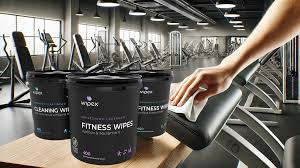
- After each workout session, grab a clean microfiber cloth.
- Lightly dampen the cloth with water or a specialized gym equipment cleaner.
- Gently wipe down all surfaces of the upholstery that have come into contact with the user. Pay attention to seams and textured areas where dirt can hide.
- Allow the upholstery to air dry completely before the next use.
This daily regimen is the first line of defense against wear and tear. It removes surface grime before it has a chance to set in and damage the material. Microfiber cloths are ideal because they are soft, absorbent, and won’t scratch the upholstery surface.
Using a pH-neutral cleaner specifically designed for gym equipment helps ensure you’re not using harsh chemicals that could degrade the material over time. Proper drying is also key to prevent mildew or a sticky feel.
Choosing the Right Cleaning Solutions
The type of cleaner you use is just as important as the cleaning itself. Harsh chemicals can strip away protective coatings, cause discoloration, or even degrade the vinyl or synthetic leather over time. Always opt for mild, pH-neutral cleaners.
Some manufacturers offer specific cleaning sprays for their equipment, which are usually a safe bet.
- Mild Soap and Water: For most daily cleanings, a simple solution of mild dish soap and water works wonders. Use a small amount of soap to avoid excessive suds and residue.
A solution of mild soap and water is the go-to for many cleaning tasks because it’s effective and gentle. When mixing this solution, use lukewarm water. A few drops of dish soap are usually enough; you don’t want so much that it leaves a slippery film behind.
This method is excellent for removing general grime and light stains without damaging the upholstery’s integrity. It’s a cost-effective and accessible cleaning method for everyone.
- Gym Equipment Cleaners: Many brands sell specialized cleaners. These are formulated to be safe for various upholstery types and often have disinfectant properties.
Specialized gym equipment cleaners are designed with the unique demands of fitness environments in mind. They are often formulated to tackle sweat and body oils effectively while also disinfecting surfaces. These products are typically tested to ensure they won’t damage common upholstery materials like vinyl or polyurethane.
Using a product recommended by the equipment manufacturer is often the safest choice to maintain warranties and preserve the material’s quality.
- Alcohol-Based Sprays (Use Sparingly): A dilute solution of isopropyl alcohol (around 70%) can be effective for disinfection. However, use this sparingly as excessive or prolonged exposure can sometimes dry out or damage certain types of vinyl over time.
Isopropyl alcohol is a powerful disinfectant that can kill bacteria and viruses on contact. A 70% solution is commonly recommended for this purpose. While effective for sanitizing, it’s crucial to use it in moderation on fitness equipment upholstery.
Prolonged or frequent use can sometimes lead to the material becoming brittle or discolored. It’s best used for spot disinfection or when a deep clean is absolutely necessary, followed by a rinse with plain water.
Deep Cleaning and Stain Removal
Sometimes, a daily wipe-down isn’t enough. You might encounter tougher stains or notice a general dinginess. For these situations, a more thorough approach is needed.
It’s important to act quickly on stains to prevent them from becoming permanent.
- For tough stains, try a paste of baking soda and water. Apply it to the stain and let it sit for a few minutes before gently wiping it away.
- For stubborn spots, a small amount of commercial upholstery cleaner designed for vinyl or synthetic leather can be used. Always test in an inconspicuous area first.
- Avoid using abrasive scrubbers or harsh chemicals like bleach or ammonia, as they can damage the material.
Baking soda is a natural deodorizer and a mild abrasive that can help lift many types of stains. When mixed with water to form a paste, it creates a gentle scrubbing agent. Apply it carefully, working it into the stain with a soft cloth.
Rinse thoroughly afterward to remove any residue. This method is safe for most synthetic upholstery types. Always remember that spot testing a new cleaning solution in a hidden area is a wise precaution.
Preventing Wear and Tear
Beyond cleaning, there are proactive steps you can take to keep your fitness equipment upholstery looking its best for longer. These simple measures can prevent common problems like cracking, peeling, and excessive stretching.
- Regular Conditioning: Just like skin, vinyl and synthetic leather can benefit from conditioning. Use a specialized vinyl conditioner occasionally to keep the material supple and prevent it from drying out and cracking.
Vinyl conditioners are formulated to replenish the plasticizers in the material, which can be lost over time due to exposure to heat, UV light, and harsh cleaning. This keeps the upholstery flexible and less prone to developing small cracks. Applying a conditioner, usually in a thin, even layer, can significantly extend the life of the material.
It also helps to restore a bit of the original sheen, making the equipment look more appealing.
- Avoid Harsh Sunlight and Heat: Prolonged exposure to direct sunlight or excessive heat can cause upholstery to fade, crack, and become brittle. Try to keep equipment out of direct sunbeams or use covers when not in use if stored in a sunny spot.
The sun’s ultraviolet (UV) rays are a major enemy of many synthetic materials, including those used in upholstery. UV radiation breaks down the polymers in vinyl and synthetic leather, leading to discoloration and a loss of flexibility. High heat can accelerate this process and also cause materials to warp or become permanently deformed.
Proper placement of equipment away from windows or using protective covers can make a significant difference.
- Proper Use: Encourage users to avoid sharp objects, excessive friction, or rough handling of the equipment. This includes being mindful of zippers, jewelry, and pet claws that could snag or tear the material.
Educating users about proper handling is a key part of equipment care. Reminding people to be conscious of what they’re wearing or carrying can prevent accidental damage. Things like jeans with metal rivets, sharp zippers on athletic wear, or even loose jewelry can snag and tear upholstery.
Setting clear gym rules and perhaps even providing a small note or sign can help reinforce these good practices.
Repairing Common Upholstery Issues
Even with the best care, minor damage can sometimes occur. Small tears, nicks, or peeling seams are not uncommon on heavily used fitness equipment. Fortunately, many of these issues can be repaired, often without needing to replace the entire upholstery piece.
Patching Small Tears and Holes
For small nicks or tears, vinyl repair kits can be a lifesaver. These kits typically come with adhesive, patches, and color-matching compounds. The key is to act quickly before the tear gets bigger or dirt gets embedded in it.
- Clean the area around the tear thoroughly.
- If the tear has frayed edges, gently trim any loose threads with sharp scissors.
- Follow the instructions in your vinyl repair kit. This usually involves applying an adhesive to the underside of the torn flap or a patch and pressing it firmly in place.
- For larger holes, you might need to use a backing patch from the repair kit to provide support.
- Allow the repair to cure completely according to the product’s instructions before using the equipment.
Vinyl repair kits are designed to mend minor damage seamlessly. They work by bonding the material back together or using a patch to reinforce the weakened area. The color-matching aspect of some kits helps the repair blend in with the original upholstery, making it less noticeable.
It’s important to have patience during the curing process, as this ensures the repair is strong and durable for continued use.
Addressing Peeling Seams
Peeling seams are a common issue, especially on items that flex a lot, like the edge of a weight bench. These can often be repaired with a strong fabric adhesive or a specialized vinyl seam sealer.
- Carefully lift the peeling seam using a thin, blunt tool.
- Apply a suitable adhesive, like a flexible fabric glue or a vinyl cement, underneath the lifted seam.
- Press the seam down firmly and hold it in place with tape or clamps until the adhesive sets.
- Clean away any excess adhesive that squeezes out before it dries.
When dealing with peeling seams, it’s important to use an adhesive that remains flexible after drying. Rigid glues can crack and fail under stress. Products designed for automotive interiors or marine upholstery are often good choices because they are formulated to withstand flexing and temperature changes.
Patience is key here; ensuring the adhesive has enough time to cure properly will prevent the seam from peeling again soon.
When to Call a Professional
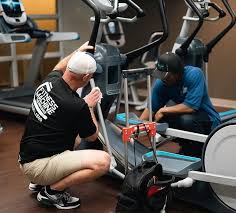
For larger tears, extensive damage, or if you’re not comfortable with DIY repairs, it’s best to seek professional help. Upholstery specialists can often re-cover entire sections or even entire pieces of equipment, restoring them to like-new condition. They have the tools, materials, and expertise to handle complex repairs or full reupholstering jobs.
- Extensive Rips or Tears: If the damage is too large to be effectively patched or if multiple tears are present, professional reupholstering might be more cost-effective in the long run than repeated patch attempts.
When damage covers a significant portion of the upholstery or involves multiple areas, DIY repairs can become time-consuming and may not yield a durable result. Professional upholsterers have the ability to source matching materials and re-cover entire cushions or sections of equipment. This ensures a consistent look and feel, and a much higher level of durability compared to piecemeal repairs.
- Worn-Out Padding: If the foam underneath the upholstery is also compressed or damaged, it often makes sense to have the entire piece professionally serviced. They can replace the foam and then recover it.
The upholstery is only as good as the padding beneath it. If the foam has lost its shape or support, even new upholstery won’t feel right. Professional services can often
Durability of Fitness Equipment Upholstery
The lifespan of fitness equipment upholstery can vary greatly depending on several factors. The quality of the materials used, the intensity of use, and the care and maintenance it receives all play a significant role. Understanding these aspects can help you choose equipment that will last and manage its upkeep effectively.
Factors Affecting Upholstery Lifespan
Several elements contribute to how long fitness equipment upholstery will remain in good condition. A gym that sees thousands of users a week will put more stress on equipment than a home gym used by one or two people. The environment also matters, with temperature and humidity potentially playing a role.
| Factor | Impact on Upholstery Lifespan | Notes |
|---|---|---|
| Material Quality | High | Denser, higher-grade vinyl or synthetic leather lasts longer and resists abrasion better. |
| Usage Frequency | High | Heavy commercial use leads to faster wear compared to light home use. |
| Cleaning Regimen | Moderate | Consistent, proper cleaning prevents buildup and material degradation. |
| Environmental Factors | Moderate | Sunlight, extreme temperatures, and high humidity can accelerate wear. |
| User Habits | Moderate | Careful use without sharp objects or excessive force prevents tears and snags. |
The table above highlights how different elements combine to influence the longevity of upholstery. For instance, while high-quality materials can withstand more abuse, constant heavy use will still shorten their life. Conversely, lower-quality materials might wear out quickly even with careful maintenance.
A holistic approach that considers all these factors is best for maximizing upholstery lifespan.
Material Quality in Detail
The quality of the vinyl or synthetic leather is paramount. Manufacturers often use terms like “marine-grade” or “heavy-duty” to describe their upholstery. This typically means the material has a higher denier (a measure of fabric density), better resistance to abrasion, and often features protective coatings.
For example, commercial-grade vinyl might have a thicker wear layer, making it far more resistant to scuffing and tearing than standard residential vinyl.
Usage and Environmental Impact
A piece of cardio equipment in a busy commercial gym might see hundreds of hours of use per week. This constant friction and sweat will naturally cause wear and tear faster than a home user who uses the same machine only a few times a week. Similarly, equipment placed near a window where it receives direct sunlight for hours each day will experience UV damage, leading to fading and cracking much sooner.
High humidity can also promote mold and mildew growth, especially if the upholstery is not cleaned regularly.
Average Lifespan Estimates
In a commercial gym setting, well-maintained fitness equipment upholstery can realistically last anywhere from 3 to 7 years. However, this can be shorter for high-traffic items like benches or cardio machine seats that endure constant contact. For home use, with proper care, the upholstery could last significantly longer, potentially 10 years or more.
These are just general estimates, and actual lifespan can vary greatly.
- Commercial Gyms: On average, expect upholstery to need attention or replacement every 3-7 years, depending on equipment type and usage intensity. Machines that are used more frequently or experience more direct pressure, like leg press pads or bench press seats, might need replacement sooner.
In a busy commercial gym, the wear and tear on upholstery are constant. Think about the sheer volume of people using the equipment daily. Sweat, friction from clothing, and the natural oils from skin all contribute to the breakdown of materials.
While good quality upholstery can withstand this for a few years, it’s inevitable that it will start to show signs of wear, such as thinning, minor tears, or a change in texture. Regular maintenance can extend this period, but replacement eventually becomes necessary for hygiene and aesthetics.
- Home Gyms: With consistent cleaning and care, upholstery in a home gym can last 10+ years. This assumes the equipment is not subjected to extreme conditions or heavy commercial-level use.
For a home gym, the conditions are generally much milder. The equipment is used by fewer people, and typically for shorter durations. This allows the upholstery materials to remain in good condition for a much longer time.
If a home user cleans their equipment after each use and occasionally applies a conditioner, the upholstery can remain supple and intact for a decade or even longer. It’s a testament to the fact that proper care dramatically impacts longevity.
Common Myths Debunked
Myth 1: All Vinyl Upholstery Is The Same
This is a common misconception. The term “vinyl” covers a wide range of materials with varying qualities, thicknesses, and protective coatings. Not all vinyl is created equal; commercial-grade vinyl used in high-end fitness equipment is significantly more durable and resilient than cheaper, thinner versions found in less expensive products.
These differences are crucial for performance in a gym setting.
Myth 2: You Need Harsh Chemicals to Disinfect Gym Equipment
While disinfection is important, using harsh chemicals like bleach or ammonia is often unnecessary and can actually damage fitness equipment upholstery over time. Mild soap and water, along with specialized gym cleaners, are usually sufficient for daily cleaning and offer disinfection properties without harming the material. For tougher disinfection needs, diluted isopropyl alcohol can be used sparingly, but it’s not a daily requirement.
Myth 3: Small Tears Can’t Be Fixed Easily
Many small tears, nicks, or punctures in fitness equipment upholstery can be effectively repaired using readily available vinyl repair kits. These kits are designed to mend minor damage, often making the repair almost invisible. Acting quickly on small tears prevents them from becoming larger problems that might require more extensive or costly repairs, or even full replacement.
Frequently Asked Questions
Question: How often should I clean my fitness equipment upholstery?
Answer: It’s best to wipe down your fitness equipment upholstery after every use to remove sweat and oils. A more thorough cleaning can be done weekly or bi-weekly, depending on usage.
Question: Can I use household cleaners on my gym equipment?
Answer: It’s generally not recommended to use harsh household cleaners like bleach or ammonia, as they can damage the upholstery. Opt for mild, pH-neutral cleaners or specialized gym equipment cleaners.
Question: My upholstery is cracking. What can I do?
Answer: Cracking often means the material is drying out. Try using a good quality vinyl conditioner to restore suppleness. Also, ensure the equipment isn’t exposed to direct sunlight or excessive heat.
Question: Is it worth repairing torn upholstery or should I replace it?
Answer: For small tears, repair kits are often effective and cost-efficient. If the damage is extensive or the padding is also worn out, professional reupholstering or replacement might be a better long-term solution.
Question: What is the best material for fitness equipment upholstery?
Answer: High-quality vinyl or commercial-grade synthetic leather are generally considered the best for fitness equipment upholstery due to their durability, water resistance, and ease of cleaning.
Summary
Keeping your fitness equipment upholstery in good shape is straightforward. Regular cleaning with the right products prevents damage. Simple repairs can fix minor issues, extending the life of your gear.
Choosing durable materials and using good care habits ensures your equipment stays comfortable and hygienic for many workouts to come. Your fitness journey deserves reliable, well-maintained equipment.