Finding work as a fitness equipment technician can seem tricky, especially when you’re just starting out. You might wonder where to even begin or what skills are most important. It’s a field that needs specific know-how, but don’t worry!
We’ve got a straightforward plan to help you get there. Let’s look at what it takes to succeed in fitness equipment technician jobs.
Key Takeaways
- You will learn what a fitness equipment technician does day-to-day.
- You will discover the essential skills needed for these jobs.
- You will find out how to get the right training and certifications.
- You will see where to look for open fitness equipment technician jobs.
- You will understand how to build a strong resume and prepare for interviews.
Understanding Fitness Equipment Technician Jobs
Fitness equipment technician jobs involve keeping exercise machines in good working order. This means they fix broken treadmills, ellipticals, stationary bikes, and weight machines. They also do routine checks to make sure everything is safe and working right.
Gyms, fitness centers, and even home users rely on these technicians. Without them, people couldn’t exercise safely, and businesses would lose money.
These jobs require a mix of mechanical, electrical, and sometimes even computer skills. You need to be able to troubleshoot problems, identify parts that need replacing, and perform repairs. Safety is also a big part of the job, as faulty equipment can cause injuries.
The demand for skilled technicians is steady because people continue to invest in health and wellness.
The Role of a Fitness Equipment Technician
A fitness equipment technician is the person who keeps your favorite gym running smoothly. They are the unsung heroes behind every working treadmill and functioning weight machine. Their main job is to ensure that all fitness equipment is safe, operational, and well-maintained.
This involves a wide range of tasks, from simple adjustments to complex repairs.
When a machine breaks down, gym owners call a technician. The technician then diagnoses the problem. This could be anything from a loose bolt on a weight machine to a malfunctioning console on a treadmill.
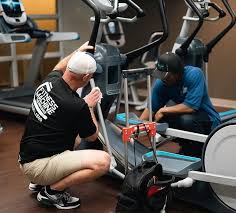
They use tools to take machines apart, inspect parts, and figure out what needs to be done. They might need to replace belts, motors, sensors, or electronic components. After the repair, they test the equipment to confirm it’s working correctly and safely.
Daily Tasks and Responsibilities
The typical day for a fitness equipment technician is varied. One moment they might be tightening a belt on a treadmill, and the next they could be diagnosing an electrical issue on an elliptical. Preventive maintenance is a huge part of their role.
This means performing regular check-ups on all equipment. They clean machines, lubricate moving parts, and check for any signs of wear and tear.
This proactive approach helps prevent major breakdowns. It also extends the life of the equipment, saving gyms money in the long run. Technicians also handle customer service aspects, interacting with gym staff and sometimes members.
They need to explain what they did and ensure everyone is satisfied with the repair. They also keep records of all maintenance and repair work performed, which is important for tracking equipment history and managing inventory of spare parts.
Importance of Safety and Compliance
Safety is paramount in fitness equipment technician jobs. Faulty equipment can lead to serious injuries, so technicians must ensure everything meets safety standards. They are trained to spot potential hazards and fix them before they cause harm.
This involves understanding specific safety guidelines for different types of machines.
Compliance with manufacturer guidelines and industry regulations is also key. Each piece of equipment comes with its own maintenance schedule and repair instructions. Following these ensures the equipment functions as intended and maintains its warranty.
Technicians are responsible for knowing and applying these standards. They are the guardians of safe workouts for everyone who uses the gym.
Essential Skills for Fitness Equipment Technicians
To excel in fitness equipment technician jobs, a solid set of skills is needed. These skills fall into a few main categories: mechanical aptitude, electrical knowledge, and problem-solving abilities. You need to be comfortable working with your hands and understanding how different parts fit together.
A good technician can look at a machine and understand its basic mechanical functions.
Beyond mechanical skills, a grasp of basic electrical principles is also very helpful. Many modern fitness machines have electronic consoles, sensors, and motor controls. Knowing how to read simple wiring diagrams and test electrical components can make troubleshooting much easier.
Of course, the ability to figure out what’s wrong and how to fix it, even when it’s not obvious, is crucial.
Mechanical Aptitude and Tool Proficiency
Mechanical aptitude is the natural ability to understand how mechanical systems work. For fitness equipment technicians, this means understanding concepts like leverage, force, and motion. They need to be able to visualize how gears, belts, and motors interact within a machine.
This helps them identify worn-out parts or misaligned components.
Proficiency with tools is also essential. Technicians use a wide array of hand tools like wrenches, screwdrivers, pliers, and Allen keys. They also use power tools such as drills and impact drivers.
Understanding the right tool for the job and using it safely and effectively is a fundamental skill. Proper tool maintenance, keeping them clean and in good repair, is also part of the job. A well-equipped and organized toolbox is a technician’s best friend.
Basic Electrical and Electronic Knowledge
Modern fitness equipment is increasingly sophisticated, relying on electronic controls and digital displays. Technicians need a basic understanding of electrical circuits to diagnose issues. This includes knowing how to safely test voltage, continuity, and resistance using a multimeter.
They should be able to read simple electrical schematics provided by the manufacturer.
This knowledge helps them identify faulty circuit boards, broken sensors, or loose wiring connections. For example, a treadmill’s speed not registering might be due to a faulty speed sensor or a connection issue in the console. A technician with electrical knowledge can quickly test these components.
This saves time and ensures the correct parts are ordered for replacement.
Problem-Solving and Troubleshooting Techniques
At the heart of every good technician is a knack for problem-solving. Fitness equipment can fail in many ways, and often the cause isn’t immediately obvious. Technicians must be able to systematically approach a problem, gather information, and form logical conclusions.
This involves a process of elimination. They start with the most common issues and work their way to the less common ones. They might ask the user about when the problem started or what happened before it occurred.
They check for visible damage or loose parts. Then, they might use diagnostic tools or consult the equipment’s manual. Developing good troubleshooting techniques means being patient, observant, and analytical.
Customer Service and Communication Skills
While not always thought of as a technical skill, customer service is vital. Technicians often interact directly with gym managers, staff, and sometimes members. They need to be polite, professional, and clear in their communication.
Explaining the problem, the repair process, and any costs involved is important.
Being able to listen to customer concerns and address them effectively builds trust. A technician who is friendly and helpful leaves a positive impression. This can lead to repeat business for their employer and good relationships with clients.
Strong communication ensures everyone is on the same page regarding the equipment’s condition and repair status.
Getting Trained and Certified
To get started in fitness equipment technician jobs, formal training and certifications can make a big difference. While some people learn on the job, having a background in mechanics or electronics can give you a head start. There are specialized courses and programs designed to teach the skills needed for this specific field.
Certifications show potential employers that you have met a certain standard of knowledge and competence. They can also open doors to better job opportunities and higher pay. The industry values professionals who have invested in their education and demonstrated their commitment to the craft.
Educational Pathways and Programs
Several educational paths can lead to a career as a fitness equipment technician. Many community colleges offer vocational training programs in areas like electronics technology, mechanical repair, or industrial maintenance. These programs provide a solid foundation in the technical skills required.
Some manufacturers offer specific training courses for their own equipment lines. Completing these courses can make you a specialist in servicing those brands. Online learning platforms also provide courses that can supplement your knowledge.
These might cover specific repair techniques or advanced diagnostic methods. Reading industry publications and manuals is also a continuous learning process.
Relevant Certifications to Pursue
While there might not be one single “official” certification for all fitness equipment technicians, several recognized credentials can enhance your resume. Certifications from organizations like the International Health, Racquet & Sportsclub Association (IHRSA) or specific equipment manufacturers can be highly valuable.
For instance, many commercial treadmill brands have their own authorized service technician programs. Becoming certified by these brands demonstrates expertise in their particular products. You might also consider general certifications in electronics or mechanical repair, such as those offered by CompTIA or industry-specific trade schools.
These prove a broader technical understanding.
On-the-Job Training and Apprenticeships
For many, the most practical way to learn is through on-the-job training. Many companies that employ fitness equipment technicians offer apprenticeship programs. These programs combine structured learning with practical, hands-on experience under the guidance of experienced professionals.
Apprenticeships are an excellent way to learn the real-world application of technical skills. You’ll work alongside seasoned technicians, observing their methods and practicing repairs yourself. This provides invaluable insight into troubleshooting, customer interaction, and the daily operations of a service technician.
It’s a great way to build confidence and competence while earning a salary.
Finding Fitness Equipment Technician Jobs
Once you have the skills and training, the next step is finding available fitness equipment technician jobs. The market for these roles is often found within specific industries that rely heavily on this equipment. Looking in the right places will increase your chances of landing a position.
You’ll find opportunities with companies that manufacture fitness equipment, sell it, or maintain it for commercial clients. Gyms, fitness centers, and even athletic facilities are primary employers. Online job boards are a good starting point, but networking within the fitness industry can also uncover hidden opportunities.
Where to Look for Open Positions
Several avenues can lead you to fitness equipment technician jobs. Major online job boards like Indeed, LinkedIn, and Glassdoor are excellent resources. Use keywords such as “fitness equipment repair,” “gym equipment technician,” or “service technician fitness.”
Equipment manufacturers themselves often have careers sections on their websites where they post job openings. Companies that specialize in servicing fitness equipment for multiple brands are also good places to check. Don’t overlook local gyms and fitness centers; they may hire in-house technicians or have contracts with service providers.
Networking Within the Fitness Industry
Building connections within the fitness industry can be incredibly beneficial. Attend trade shows, fitness expos, and local gym events. Talk to gym owners, managers, and even current technicians.
Let them know you are looking for work and what skills you possess.
Membership in professional organizations related to the fitness or equipment maintenance industry can also provide networking opportunities. These groups often have job boards or member directories. A simple conversation at a local gym could lead to a referral or an inside tip about an opening that hasn’t been publicly advertised.
Preparing Your Resume and Cover Letter
When applying for fitness equipment technician jobs, your resume and cover letter need to highlight your relevant skills and experience. Be sure to list any technical training, certifications, and past work experience. Quantify your achievements whenever possible, such as “Reduced equipment downtime by 15% through proactive maintenance.”
Tailor your cover letter to each specific job. Mention why you are interested in that particular company or role and how your skills match their needs. A well-crafted resume and cover letter can make you stand out from other applicants and show employers you are serious about the position.
Interview Tips for Success
Job interviews for fitness equipment technician roles often involve both technical questions and behavioral questions. Be prepared to discuss your experience with diagnosing and repairing different types of equipment. You might be asked to describe a challenging repair you handled.
Practice explaining technical concepts in simple terms. Show enthusiasm for the fitness industry and a commitment to safety and quality work. Dress professionally and arrive on time.
Asking thoughtful questions about the company and the role shows your interest and engagement. Demonstrating a positive attitude and a willingness to learn is also very important.
Common Myths Debunked
Myth 1: You Need an Engineering Degree to Become a Fitness Equipment Technician
This is not true. While an engineering background can be helpful, it’s not a strict requirement for most fitness equipment technician jobs. Many technicians learn through vocational training, on-the-job apprenticeships, or manufacturer-specific courses.
Practical skills and experience are often valued more than a formal engineering degree.
Myth 2: Fitness Equipment Repair Is All About Mechanical Skills
While mechanical skills are essential, modern fitness equipment also relies heavily on electronics and software. Technicians often need to understand basic electrical principles, circuit boards, and even simple computer diagnostics. The ability to troubleshoot electronic issues is just as important as fixing a loose bolt.
Myth 3: It’s Easy to Find Fitness Equipment Technician Jobs Without Certifications
While not every job requires a specific certification, having relevant certifications can significantly improve your chances of getting hired and advancing your career. Certifications demonstrate a level of competence and commitment that employers look for. They can set you apart from other candidates, especially in competitive markets.
Myth 4: The Job Is Repetitive and Boring
The tasks of a fitness equipment technician are diverse and challenging. Each day can bring new problems to solve with different types of equipment. From routine maintenance to complex diagnostics, the work requires constant learning and adaptation.
It’s a dynamic field for those who enjoy hands-on problem-solving.
Frequently Asked Questions
Question: What is the average salary for a fitness equipment technician?
Answer: Salaries can vary based on experience, location, and employer. Entry-level positions might start around $30,000 to $40,000 per year, while experienced technicians can earn $50,000 to $70,000 or more. Some specialized roles or positions with manufacturers may offer even higher compensation.
Question: Do I need my own tools to start?
Answer: Many employers provide technicians with a basic tool kit or allowances for tools. However, it’s common for technicians to invest in their own high-quality tools as they advance in their careers. Your employer will likely specify their tool requirements.
Question: How much physical strength is needed for this job?
Answer: Some physical strength is required, as you may need to move or adjust heavy equipment parts. However, the job is more about technical skill and problem-solving than brute force. Technicians use proper lifting techniques and tools to manage heavy components.
Question: Can I work on home fitness equipment as well as commercial?
Answer: Yes, many technicians service both commercial gym equipment and home fitness machines. Some companies specialize in one area, while others handle both. Your training and experience will determine the types of equipment you can repair.
Question: What are the career advancement opportunities?
Answer: Career paths can include becoming a lead technician, a service manager, a trainer for new technicians, or moving into sales or management roles with equipment manufacturers. Gaining specialized knowledge in high-end equipment or specific brands can also lead to advancement.
Summary
Finding a path into fitness equipment technician jobs is achievable with the right focus. You’ve learned about the core duties, the essential skills like mechanical and electrical know-how, and how training programs and certifications can help. We covered where to find these roles and how to prepare for applications and interviews.
You are now better equipped to start your career.