Keeping your home gym gear in tip-top shape can seem like a big job, especially when you’re just starting out. You might wonder if it’s too hard or if you’ll miss something important. But taking care of your fitness equipment maintenance doesn’t have to be tricky.
It’s actually pretty straightforward! This guide will show you how to keep everything working well, step by step. Get ready to learn easy ways to protect your investment and make your workouts even better.
Key Takeaways
- Regular cleaning prevents dirt buildup and extends equipment life.
- Lubricating moving parts reduces friction and noise.
- Checking for loose bolts and screws ensures safety.
- Proper storage protects equipment from damage.
- Knowing when to call a professional saves time and money.
- Simple upkeep makes your workouts more enjoyable and effective.
Essential Fitness Equipment Maintenance Steps
Regular fitness equipment maintenance is key to keeping your home gym running smoothly and safely. It helps your machines last longer and prevents costly repairs down the road. Think of it like taking care of your car; a little bit of attention now saves a lot of trouble later.
This section covers the basic cleaning and checks you should do often. It’s about making sure your treadmills, bikes, and weights are always ready for your next workout.
Cleaning Your Gear
Dirt, sweat, and dust can build up on your fitness equipment quickly. This not only looks bad but can also harm the machines. For treadmills and ellipticals, wipe down the console, handles, and deck after each use with a soft, damp cloth.
For weight machines and free weights, a quick wipe-down with a disinfectant cleaner is a good idea. This keeps things hygienic for you and others if you share the space.
- Daily Wipes: After every workout, use a microfiber cloth to wipe down surfaces that your hands or body touched. Sweat and oils can break down materials over time, so this simple step is very important.
- Deep Cleaning Weekly: Once a week, do a more thorough clean. Use a mild soap and water solution or a dedicated fitness equipment cleaner. Pay attention to nooks and crannies where dust and debris can hide. For electronic consoles, make sure the cloth is only damp, not wet, to avoid damaging the screen.
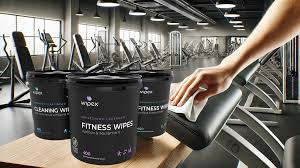
- Disinfecting: In shared spaces or if you use equipment for intense workouts, disinfecting is a good practice. Use a disinfectant spray or wipes approved for gym equipment. Always follow the product instructions and allow surfaces to air dry to prevent any residue.
Inspecting for Wear and Tear
Looking over your equipment for any signs of damage or wear is crucial. Catching small problems early can stop them from becoming big, expensive issues. This involves simple visual checks and gentle tugs to see if anything is loose.
- Check for Loose Parts: Regularly inspect bolts, screws, and nuts. If you see any that are loose, tighten them carefully. A wrench or screwdriver might be needed. Don’t overtighten, as this can strip threads.
- Look for Fraying or Cracks: Examine any cables, belts, or rubber parts for signs of fraying, cracking, or excessive wear. If you notice these issues, it’s time to consider replacement. A worn belt on a treadmill, for instance, can be a safety hazard.
- Test Stability: Gently try to move or rock the equipment. It should feel solid and stable. If it wobbles or feels unsteady, investigate the cause. This could be due to loose connections or damaged parts.
Lubrication For Smooth Operation
Moving parts on fitness equipment need lubrication to work quietly and efficiently. Without it, parts can rub together, causing friction, noise, and premature wear. Proper lubrication is a key part of fitness equipment maintenance that many people overlook.
This section explains what to lubricate and how often.
When and What to Lubricate
Different types of equipment have different lubrication needs. Treadmills are a prime example, with their decks and belts requiring regular attention. Other machines with moving joints or pulleys also benefit from lubrication.
Using the right type of lubricant is important to avoid damage.
- Treadmill Deck and Belt: This is one of the most common areas needing lubrication. Most treadmills require a specific silicone-based lubricant applied to the underside of the belt or directly to the deck. Check your treadmill’s manual for the exact procedure and recommended lubricant. Over-lubrication can cause the belt to slip, while under-lubrication can cause friction and damage the motor or belt.
- Elliptical and Bike Components: Ellipticals and stationary bikes often have internal mechanisms or external pivot points that require lubrication. Consult your owner’s manual to identify these points and the type of lubricant to use. Small amounts applied periodically can prevent squeaks and ensure smooth motion.
- Weight Stacks and Pulleys: For home gyms with weight stacks, the guide rods may need a light coating of lubricant to help the weight stack move smoothly. Pulleys on cable machines might also benefit from a drop of lubricant on their bearings.
How to Lubricate
Lubrication is usually a simple process, but doing it correctly prevents issues. Always start with a clean surface and use a minimal amount of lubricant.
- Gather Supplies: You’ll need the appropriate lubricant (usually silicone-based), a clean cloth, and possibly a small brush or applicator. Ensure you are using a lubricant specifically designed for fitness equipment to avoid damaging plastics or rubber.
- Prepare the Area: Clean the area to be lubricated. For treadmills, lift the belt and clean the deck and the underside of the belt. For other machines, wipe down the parts where lubricant will be applied.
- Apply Lubricant Sparingly: Apply a thin, even layer of lubricant. For treadmill decks, spread it evenly with a cloth or applicator. For pivot points, a drop or two might be sufficient. Avoid excess lubricant, as it can attract dirt.
- Work It In: After applying, run the equipment for a few minutes. For treadmills, walk on it or run it at a low speed for 5-10 minutes. This helps distribute the lubricant evenly across the moving surfaces.
A common mistake is over-lubricating, which can make parts too slippery or attract dirt. Another error is using the wrong type of lubricant, such as WD-40 on a treadmill belt, which can actually degrade the belt material over time. Always refer to your equipment’s manual for specific instructions.
Safety Checks and Adjustments
Safety is paramount when using any fitness equipment. Regular safety checks ensure that your machines are stable and that all parts are functioning as they should. This part focuses on what to look for to keep yourself safe during workouts.
Good fitness equipment maintenance includes regular safety reviews.
Checking Connections
Loose connections are a common cause of accidents and equipment failure. This is especially true for equipment that is assembled and disassembled or moved frequently.
- Bolts and Screws: Periodically check all visible bolts and screws on your equipment. Use the appropriate tools to tighten them if they feel loose. Pay extra attention to parts that experience a lot of stress, like where the handlebars attach to a bike or the seat post on a weight machine.
- Cables and Cords: Inspect power cords for any signs of damage, such as nicks, cuts, or frayed wires. Ensure they are securely plugged in and not creating tripping hazards. For cable machines, check the integrity of the cables themselves.
- Plastic Guards and Covers: Ensure that all plastic guards and covers are in place and securely fastened. These parts often protect moving mechanisms and can prevent accidental contact with dangerous parts.
Calibration and Alignment
Some equipment needs periodic calibration to ensure accurate readings and proper function. This is particularly true for treadmills and smart fitness devices.
- Treadmill Belt Alignment: The treadmill belt needs to be centered and at the correct tension. If the belt drifts to one side or feels too loose or too tight, it needs adjustment. Most treadmills have adjustment screws at the back. Refer to your manual to learn how to adjust it properly. A misaligned belt can cause uneven wear and can be a safety issue.
- Elliptical Resistance: Ensure that the resistance levels on your elliptical are changing correctly. If you notice that the resistance isn’t increasing or decreasing as expected, the machine might need recalibration.
- Weight Machine Pulleys: For weight machines, ensure that the pulleys are running smoothly and that the cables are tracking correctly. Any deviation can lead to uneven resistance and potential wear on the cables.
Exercise Bike Specifics
Stationary bikes, whether spin bikes or recumbent models, have unique maintenance needs.
- Seat and Handlebar Adjustments: Regularly check that the seat and handlebars are locked securely in place after adjustments. A loose seat can shift during exercise, causing discomfort or an accident.
- Pedal Tightness: Ensure the pedals are securely screwed into the crank arms. Loose pedals can wobble and may eventually strip the threads.
- Chain/Belt Tension: If your bike has a chain, ensure it is clean and properly tensioned. For belt-driven bikes, check the belt for wear and ensure it has the correct tension.
Troubleshooting Common Issues
Even with regular care, you might encounter small problems with your fitness equipment. Knowing how to troubleshoot common issues can save you time and prevent minor problems from becoming major ones. This section covers fixes for noises, wobbles, and performance hiccups.
Proactive fitness equipment maintenance includes this step.
Dealing with Noises
Squeaks, rattles, and grinding sounds are common complaints. Often, these are signs of simple issues that are easy to fix.
- Identify the Source: Try to pinpoint where the noise is coming from. Is it the motor? A joint? A moving part? Sometimes, having someone else operate the equipment while you listen can help locate the sound.
- Tighten Loose Parts: As mentioned before, loose bolts or screws are a frequent culprit for rattles and squeaks. Go over the equipment and tighten anything that feels wobbly.
- Lubricate Moving Parts: Squeaks are often a sign that a part needs lubrication. Apply lubricant to the suspected area and see if the noise disappears. For treadmills, a common cause of squeaking is the belt needing lubrication.
- Check for Obstructions: Sometimes, a foreign object might be stuck in a mechanism, causing noise. Carefully check areas around moving parts for any debris.
Addressing Wobbles or Instability
An unsteady machine can be dangerous and reduce workout effectiveness.
- Level the Equipment: Most fitness equipment has adjustable feet at the base. Use these to level the machine on your floor. Even slightly uneven flooring can cause wobbling.
- Check Structural Integrity: Ensure all frame components are securely connected. If you have a multi-piece frame, recheck the assembly instructions to confirm it was put together correctly.
- Inspect for Damage: Cracks or bends in the frame or support structures can cause instability. If you find any damage, cease using the equipment and consider professional repair or replacement.
Performance Issues
If your equipment isn’t performing as it should, consider these steps.
- Reset Electronic Components: For smart equipment, sometimes a simple reset can fix glitches. Unplug the machine, wait a minute, and plug it back in.
- Check Power Source: Ensure the equipment is plugged into a working outlet. For treadmills, make sure the safety clip is properly attached and the power cord is not damaged.
- Consult the Manual: Your owner’s manual is an invaluable resource for troubleshooting specific performance issues. It often provides diagnostic information and solutions for common problems.
When to Call a Professional
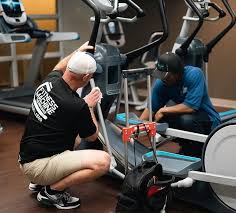
While many fitness equipment maintenance tasks are manageable for the average person, some situations call for expert help. Knowing your limits is important for both safety and effective repair.
Signs You Need a Pro
Certain problems indicate a more serious issue that could be dangerous or difficult to fix without specialized knowledge and tools.
- Persistent Loud Noises: If you’ve tried lubricating and tightening, but the machine continues to make loud, unusual noises, it could be a sign of internal mechanical failure.
- Electrical Issues: Any problems with the electrical system, such as sparking, burning smells, or the machine not powering on at all, should be handled by a qualified technician.
- Frame Damage: If you notice any cracks, bends, or significant damage to the main frame of the equipment, do not use it. Professional assessment is needed to determine if it can be safely repaired.
- Complex Software Glitches: For smart equipment with advanced consoles, persistent software errors that cannot be resolved by resetting might require manufacturer support.
Benefits of Professional Service
Hiring a professional for maintenance or repair offers several advantages.
- Expert Diagnosis: Technicians have the experience and tools to accurately diagnose complex problems.
- Correct Repairs: They can perform repairs using the right parts and techniques, ensuring the equipment is safe and functional.
- Warranty Preservation: For equipment still under warranty, using authorized service providers can prevent voiding the warranty.
- Preventative Care: Many professionals offer preventative maintenance plans, which can save you money in the long run by catching issues before they become serious.
A qualified technician can inspect your equipment thoroughly. They check motor wear, belt condition, electronic boards, and other components that might not be visible to the untrained eye. This thorough inspection is part of a comprehensive approach to fitness equipment maintenance.
Fitness Equipment Maintenance Schedule Example
Creating a schedule for your fitness equipment maintenance helps ensure that nothing gets forgotten. This schedule breaks down tasks by how often they should ideally be performed. It provides a clear roadmap for keeping your home gym in excellent working order.
Daily Tasks
These are the quick checks and cleans you should do after every workout.
- Wipe down surfaces touched during your workout.
- Check that all safety clips and emergency stops are functional.
Weekly Tasks
These tasks involve a more thorough cleaning and a quick inspection.
- Perform a deep clean of the equipment.
- Check for any loose bolts, screws, or wobbly parts.
- Inspect visible cables and cords for damage.
Monthly Tasks
These are tasks that require a bit more attention and may involve lubrication or adjustments.
- Lubricate treadmill deck and belt as per manual instructions.
- Check and tighten pedal arms on stationary bikes.
- Inspect weight stack guide rods and pulleys for smooth operation.
- Check the tension and alignment of treadmill belts.
Quarterly or Bi-Annual Tasks
These are more in-depth checks and maintenance procedures that don’t need to be done as frequently.
- Thoroughly inspect belts and chains for wear and tear.
- Check and lubricate any pivot points or joints on weight machines.
- Review the equipment manual for any specific long-term maintenance recommendations.
- Consider a professional inspection if you notice any persistent issues or if the equipment is heavily used.
This schedule is a guide. You may need to adjust it based on how often you use your equipment and the specific recommendations in your owner’s manuals. For instance, a heavily used commercial-grade treadmill in a home setting might benefit from more frequent lubrication than a lightly used personal machine.
Always prioritize safety and consult your equipment’s manual.
Common Myths Debunked
Myth 1: Fitness equipment maintenance is too difficult for beginners.
Reality: Many fitness equipment maintenance tasks are very simple, like wiping down surfaces or tightening a visible bolt. These basic steps require no special skills. Your equipment’s owner’s manual often provides clear, easy-to-follow instructions for common maintenance.
For more complex issues, professional help is available.
Myth 2: Cleaning your equipment after every workout is unnecessary.
Reality: Sweat, dirt, and oils can corrode materials, clog moving parts, and reduce the lifespan of your equipment. A quick wipe-down after each use prevents buildup and keeps your gear looking and working better for longer. It also promotes better hygiene.
Myth 3: Lubrication should be done whenever a machine starts to squeak.
Reality: While lubrication can fix squeaks, it’s best done on a schedule or when advised by the manual. Over-lubricating can attract dirt and cause parts to become excessively slippery, leading to other problems. Always use the correct type and amount of lubricant.
Myth 4: If it looks okay, it probably is okay.
Reality: Many wear and tear issues aren’t visible at a glance. For example, internal motor components or subtle belt wear might not be obvious. Regular, scheduled inspections are crucial for catching problems before they become serious and potentially dangerous.
Frequently Asked Questions
Question: How often should I lubricate my treadmill belt?
Answer: Most treadmill manufacturers recommend lubricating the deck and belt every 3-6 months, depending on usage. Always check your specific owner’s manual for exact recommendations and the type of lubricant to use.
Question: Can I use household cleaners on my fitness equipment?
Answer: It’s best to use cleaners specifically designed for fitness equipment or mild soap and water. Harsh chemicals found in some household cleaners can damage the finishes, plastics, or electronic components of your machines.
Question: What if my exercise bike’s resistance isn’t working properly?
Answer: First, check if the resistance knob or electronic control is functioning correctly. If it is, and the resistance still isn’t changing, it might be a mechanical issue requiring a professional to inspect the bike’s internal system.
Question: How do I know if my fitness equipment is safe to use?
Answer: Regularly perform safety checks. Ensure all parts are securely attached, the equipment is stable, and there are no visible signs of damage like cracks or frayed cables. If in doubt, stop using the equipment and get it inspected.
Question: Is professional maintenance worth the cost?
Answer: Yes, professional maintenance can be worth it, especially for expensive or complex equipment. It helps prevent costly repairs, extends the life of your machines, and ensures they remain safe to use, offering peace of mind.
Conclusion
Consistent, simple fitness equipment maintenance keeps your gear safe and functional. Regular cleaning and checks prevent damage and ensure a smooth workout experience. Follow a schedule, use the right products, and don’t hesitate to seek professional help when needed.
Your fitness equipment is an investment; treat it well.